
How to Reduce Client No-Shows: 10 Proven Strategies
Discover 10 proven strategies to reduce no-shows in your therapy practice. Practical tips that work and boost your revenue.

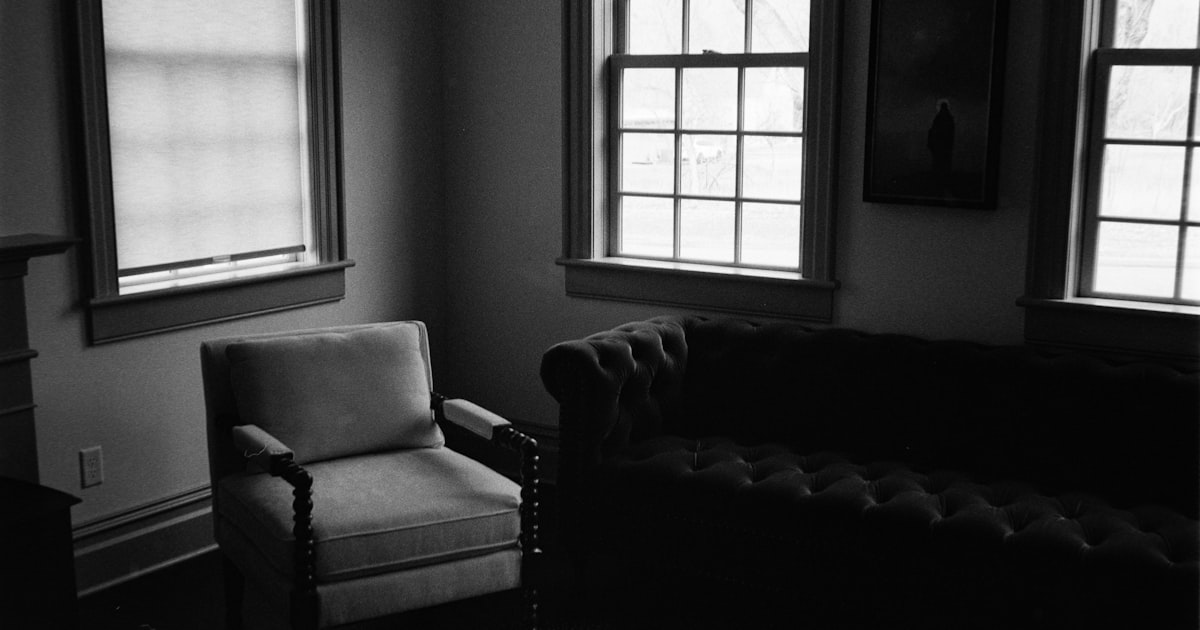
Every therapist has been there: you block off an hour on your schedule, prepare for the session, and… the client doesn't show up. No call, no text, no response. They simply don't come.
The result? Lost time, lost revenue, and frustration.
No-shows are one of the biggest challenges in running a private practice. But the good news is: there are proven strategies that dramatically reduce this problem.
In this article, you'll discover 10 practical strategies that actually work to reduce client no-shows in your therapy practice.
Why Do Clients No-Show?
Before solving the problem, we need to understand the causes. Research in behavioral health points to 5 main reasons:
- They forgot — 40% of cases (no reminder sent)
- Life happened — 25% (traffic, work emergencies, childcare issues)
- Low perceived value in therapy — 15% (clinical disengagement)
- Financial difficulty — 10% (but didn't communicate it)
- Session anxiety — 10% (emotional resistance to the therapeutic process)
Each reason requires a different strategy. Let's walk through them.
1. Send Automated Reminders (Reduces No-Shows by 30–40%)
The Problem
40% of no-shows happen because the client simply forgot.
The Solution
Send an automated reminder 24 hours before the session via email or SMS.
What works:
- Clear message: "Hi [Name], this is a reminder that your session is tomorrow at [Time]. Please confirm or let us know if you need to reschedule."
- Friendly yet professional tone
- One-click confirmation option
How to Implement
- Manual: Set phone reminders and send individual texts or emails
- Automated: Use a practice management system that sends reminders automatically (like Dopu)
💡 Impact:
Studies show that automated reminders reduce no-shows by 30–40%.
2. Request Appointment Confirmation
The Problem
Sending a reminder is good, but it doesn't guarantee the client will attend.
The Solution
In addition to the reminder, ask for explicit confirmation.
Example message:
"Hi Sarah, just a reminder that your session is tomorrow (Thursday) at 2:00 PM. Please reply CONFIRM to keep your appointment or RESCHEDULE if you need a different time."
Why It Works
- Creates psychological commitment (once confirmed, the client feels responsible)
- You know in advance if there will be a no-show (and can offer the slot to another client)
💡 Impact:
An 85–90% confirmation rate typically results in 90–95% actual attendance.
3. Send a Same-Day Reminder (2 Hours Before)
The Problem
The client confirmed but forgot again, or something unexpected came up.
The Solution
Send a second reminder 2 hours before the session.
Message:
"Hi James, your session is in 2 hours (2:00 PM). Looking forward to seeing you! If anything comes up, please let me know."
Why It Works
- Catches clients who confirmed but may have gotten busy
- Gives time for the client to notify you if they can't make it (and you reschedule)
- Conveys professionalism and care
💡 Impact:
Additional 10–15% reduction in last-minute no-shows.
4. Establish a Clear Cancellation Policy
The Problem
When there are no consequences, some clients develop a pattern of missing sessions.
The Solution
Create a clear cancellation policy and communicate it during the intake process.
Example policy:
- Cancellations with less than 24 hours notice: full session fee charged
- No-shows without notice: full session fee charged
- Two or more consecutive no-shows: discussion about continuing treatment
How to communicate it:
Include it in your informed consent documents (signed during intake) and review it verbally during the first session.
Tone: Frame it collaboratively. Explain that the policy supports mutual commitment and respect for each other's time — consistent with APA ethical guidelines on clear fee arrangements.
Why It Works
- Sets clear expectations from the start
- Clients take the commitment more seriously
- Reduces recurring no-shows
⚠️ Important:
Be flexible in genuine cases (medical emergencies, family crises). The policy exists for repeated no-shows without justification — not to penalize people going through a tough time.
5. Charge for No-Shows (When Appropriate)
The Problem
Clients who no-show without notice don't feel the financial impact.
The Solution
If a client misses a session without giving at least 24 hours notice, charge a late cancellation fee or the full session rate.
How it works:
- Notice given 24+ hours in advance: no charge
- No-show or late cancel: charge 50–100% of the session fee
How to communicate it:
Make this clear in your informed consent and review it during the intake session.
Example:
"If you need to cancel, please let me know at least 24 hours in advance so I can offer the time to another client. Sessions missed without 24-hour notice will be billed at the full session rate of $150."
Why It Works
- Creates a financial incentive for the client to cancel in advance
- Values your time as a professional
- Reduces recurring no-shows
⚠️ Ethical note:
Use good judgment. The APA Ethics Code supports charging for missed sessions when clients have been informed in advance, but genuine emergencies should always be considered.
6. Make Canceling Easy
The Problem
The client wants to cancel but feels embarrassed or doesn't know how.
The Solution
Make it extremely easy to cancel or reschedule.
How to do it:
- Say explicitly: "If you can't make it, just text or email me anytime. No problem at all!"
- Offer options: "Would you like to reschedule or skip this week?"
- Don't interrogate or over-question
Why It Works
- Clients feel comfortable giving you advance notice
- You find out early and can offer the slot to someone else
- Reduces the anxiety clients feel about canceling
💡 Impact:
Many no-shows are avoided when clients feel they can cancel without judgment. Consider offering a telehealth session as a backup — clients who can't make it in person may still be able to connect virtually.
7. Offer Consistent Session Times
The Problem
Session times that change every week increase the chance of forgetting.
The Solution
Whenever possible, offer a standing weekly appointment (e.g., every Tuesday at 2 PM).
Why It Works
- Creates routine (the client doesn't have to remember "what day is my session this week?")
- Reduces forgetting
- Makes it easier for the client to plan around
Exception: For clients with variable schedules (shift workers, healthcare professionals), establish a predictable pattern (e.g., "always the first Friday of the month" or biweekly on a set day).
8. Use a Waitlist
The Problem
When a client cancels at the last minute, you lose the session revenue.
The Solution
Maintain a waitlist of prospective clients or current clients with flexible schedules.
How it works:
- Client A cancels with 2 hours notice
- You notify Client B from the waitlist: "A slot just opened up today at 2 PM. Can you make it?"
- Client B accepts → slot filled
Why It Works
- Turns a cancellation into an opportunity
- Increases your schedule utilization rate
- Protects your revenue
💡 Tip:
Practice management platforms (like Dopu) can automate this entire process.
9. Strengthen the Therapeutic Alliance
The Problem
15% of no-shows happen because the client is disengaged from therapy.
The Solution (Clinical)
- Validate progress: Show clients the gains they've already made
- Explain the process: Clients who understand the "why" behind therapy attend more consistently
- Explore resistance: "I've noticed it's been harder to make it to sessions lately. What's been going on?"
- Celebrate small wins: Acknowledge effort and progress
Why It Works
- Clients who see value in therapy don't skip sessions
- A strong therapeutic alliance increases commitment
- Addressing resistance proactively prevents dropout
10. Analyze No-Show Patterns
The Problem
You don't have visibility into when and why clients miss sessions the most.
The Solution
Track and analyze no-shows to identify patterns.
Questions to answer:
- Which day of the week has the most no-shows?
- Which time of day (morning/afternoon/evening)?
- Are specific clients recurring no-shows?
- Is there seasonality (more no-shows around holidays, summer, back-to-school)?
How to do it:
- Manually: Track in a spreadsheet
- Automatically: Practice management systems generate no-show reports
Why It Works
- Identifies patterns you can adjust (e.g., stop scheduling Friday afternoons if they consistently no-show)
- Enables targeted conversations with frequent no-show clients
- You make decisions based on data, not gut feeling
Tools That Help Reduce No-Shows
1. Automated Reminder System
Automatic email and SMS reminders sent 24 hours and 2 hours before each session.
2. Online Scheduling with Confirmation
Client receives a reminder and can confirm with a single click.
3. Automated Waitlist
When there's a cancellation, the system automatically notifies clients on the waitlist.
4. No-Show Reports
A visual dashboard showing no-show rates by day, time slot, and client.
💡 All-in-one example:
Dopu integrates scheduling, automated email reminders, clinical records, and financial tracking — all in one place.
Checklist: Reduce No-Shows Starting Today
Use this checklist to implement the strategies:
Immediate (Today)
- Set up manual reminders for tomorrow's sessions
- Send a confirmation request to all clients scheduled this week
This Week
- Create or update your cancellation policy
- Communicate the policy to current clients (warmly and clearly)
- Start tracking no-shows in a spreadsheet
This Month
- Try a practice management platform with automated reminders
- Build a waitlist of interested clients
- Analyze no-show patterns and adjust your schedule accordingly
Conclusion
Client no-shows are frustrating, but they're not inevitable.
With the right strategies, you can reduce no-shows by 40–50% and recover lost hours and revenue.
Strategy summary:
- ✅ Automated reminders 24 hours before
- ✅ Appointment confirmation requests
- ✅ Same-day reminder 2 hours before
- ✅ Clear cancellation policy
- ✅ Charge for no-shows when appropriate
- ✅ Make canceling easy
- ✅ Consistent standing appointments
- ✅ Active waitlist
- ✅ Strengthen the therapeutic alliance
- ✅ Analyze no-show patterns
Start today: Implement at least the first 3 strategies and measure the impact over 30 days.
Automate and Reduce No-Shows with Dopu
Dopu provides all the tools to reduce no-shows automatically:
- Automated email reminders with configurable timing
- Smart scheduling with weekly view and recurring appointments
- Financial tracking integrated to monitor the impact of no-shows
- Organized clinical records (document policies and agreements with each client)
💡 Result:
Automated reminders are one of the most effective strategies for reducing no-shows. Start today with Dopu.
Reduce No-Shows in Your Practice
Try Dopu free for 14 days and see the impact on your schedule.
✓ Automated email reminders · ✓ Smart scheduling · ✓ Financial tracking
Keywords
Ready to transform your practice?
Try Dopu free for 14 days. No credit card required.
Start free trialNo credit card · Cancel anytime
Related posts
Practice Management Software for Therapists: Complete Guide 2026
Discover how to choose the best practice management software for therapists. Complete guide with essential features, generic vs specialized comparison, ROI, and practical tips.
HIPAA Compliance for Psychology Practices: Practical Guide 2026
Complete guide to HIPAA compliance for therapists. Learn how to protect client data, avoid fines up to $1.5M, and implement proper privacy safeguards in your practice.